
LGBTQ+ RETAIL Legacy Lag SNAPSHOT
How ignoring gay men as core customers exposed Legacy Lag in retail.
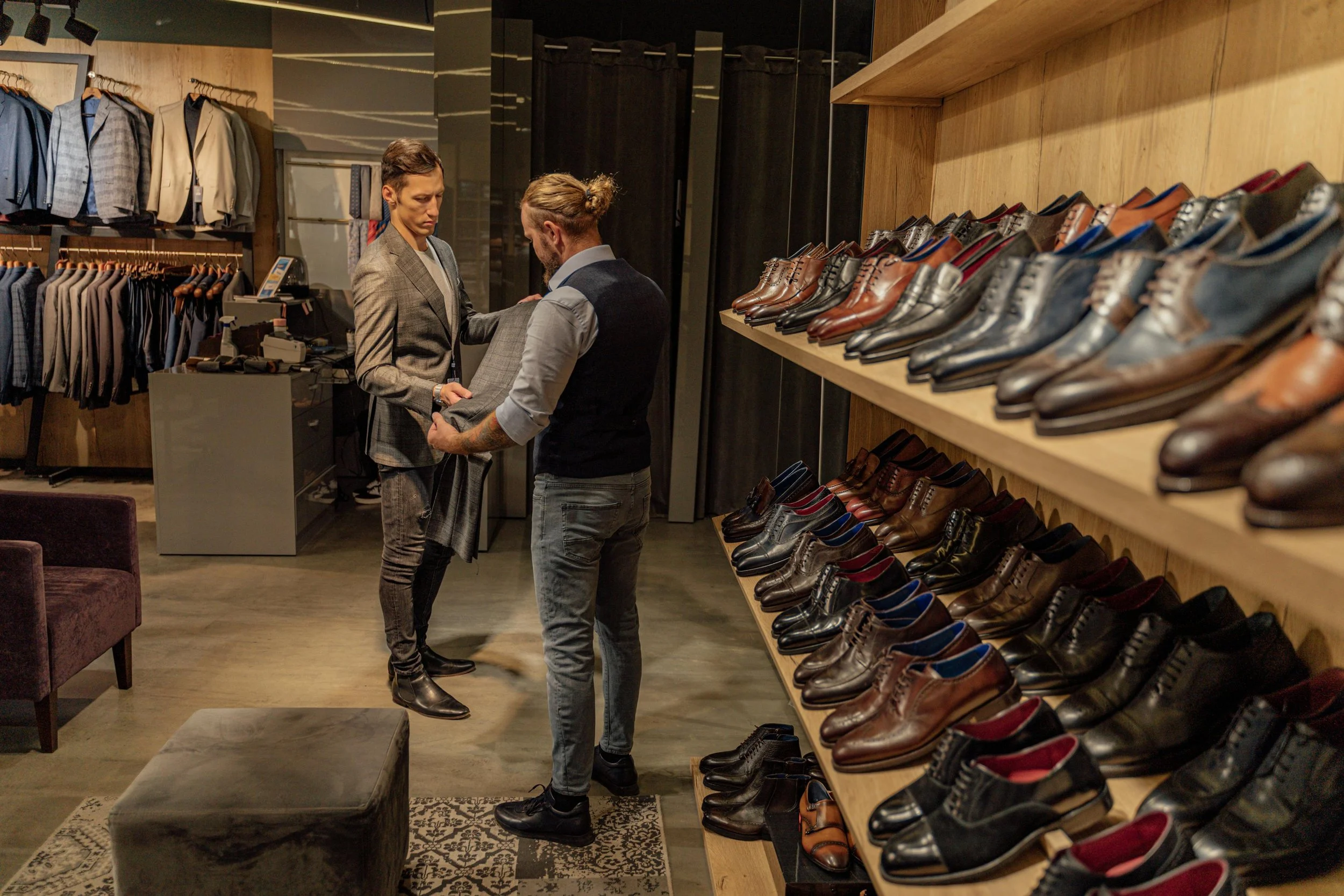
A major Australian department store briefed an agency to create a campaign celebrating mothers. When the agency dug into the data, they found that the highest-value customers in the relevant category were gay men—not the “traditional mum” the brand had in mind. Presented with this evidence, the internal team chose not to run any campaign rather than reframe the work toward the real spending base. It’s a clear instance of Legacy Lag: inherited ideas about the “normal” customer overriding hard data about who is actually driving value.
Internal research showed the most valuable customers in the category were gay men.
Leadership chose inaction over speaking directly to them.
Where Legacy Lag showed up
The decision rested on inherited assumptions about who a “normal” department-store customer is: heterosexual families, and especially mothers. Gay men were treated as a niche, risky audience that didn’t fit the brand’s self-image, even as they drove a disproportionate share of revenue in key categories.
Globally, LGBTQ+ consumers represent trillions of dollars in annual spending power, and studies consistently show they are frequent shoppers with high brand loyalty when they feel seen and respected. Legacy Lag is the gap between the old picture of the “ideal customer” and the contemporary reality of LGBTQ+ consumers as a powerful, mainstream market.
The cost of the misread
The broader pattern across retail and consumer brands reveals significant commercial and reputational risk:
Misunderstood market value:
LGBTQ+ purchasing power sits at 3.7–4.7 trillion USD globally. If treated as a single economy, it would rank as the 4th largest in the world. Yet many brands still treat LGBTQ+ consumers as marginal, seasonal, or risky.Pride Month fetishism:
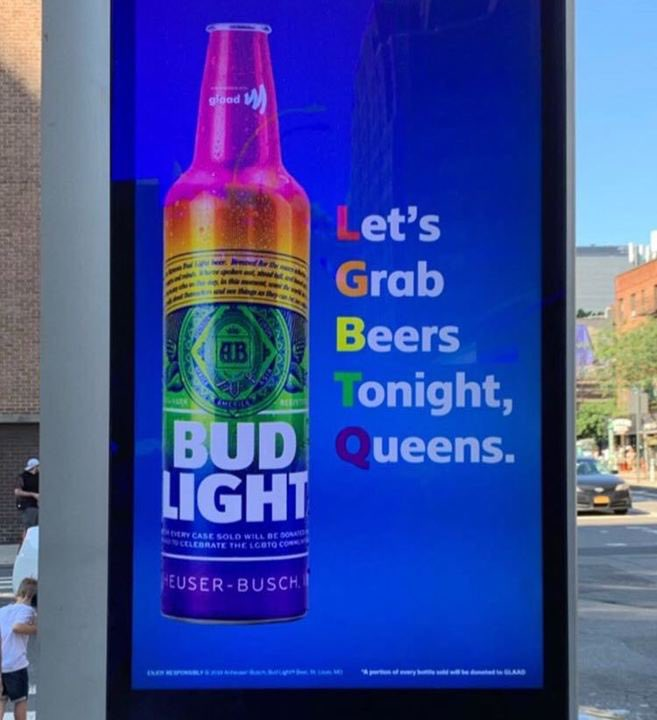
Brands that only engage during Pride Month, deploying rainbow-washing without year-round commitment, face growing backlash. LGBTQ+ consumers increasingly reward authentic, sustained representation and punish performative gestures that feel extractive rather than genuine. See BudLightInherited assumptions as brand liability:
Refusing to speak to actual customers because they don’t fit a “traditional” brand image means walking away from high‑value segments while competitors move in—and tying the brand to outdated ideas that are increasingly out of step with the market.
What this shows about Legacy Lag
This example shows how quickly inherited assumptions can override hard data. Even with clear evidence in front of them, decision‑makers defaulted to a more “comfortable” customer story, walking away from the people actually paying. Legacy Lag diagnostics are designed to surface these clashes between who brands think they’re serving and who is really driving value—before opportunities are quietly abandoned.
Where else this applies
While this example sits in LGBTQ+ retail, the same pattern appears wherever social and economic realities move faster than institutional logic—across gender, sexuality, class, race, generation, and geography.
This isn’t just one department store’s problem. It’s a pattern of Legacy Lag: organisations clinging to inherited ideas about who their “real” customers are, long after the market and the people actually paying have moved on.
LET’S ChAT
Feel free to contact us via email or fill out our contact form to discuss the details for your upcoming event. We’re excited to work with you and turn your ideas into an exceptional experience!