
NIKE 2023 WOMEN’S WORLD CUP Legacy Lag case study
How a goalkeeper jersey decision exposed the Legacy Lag in how women’s economic and cultural power is valued.
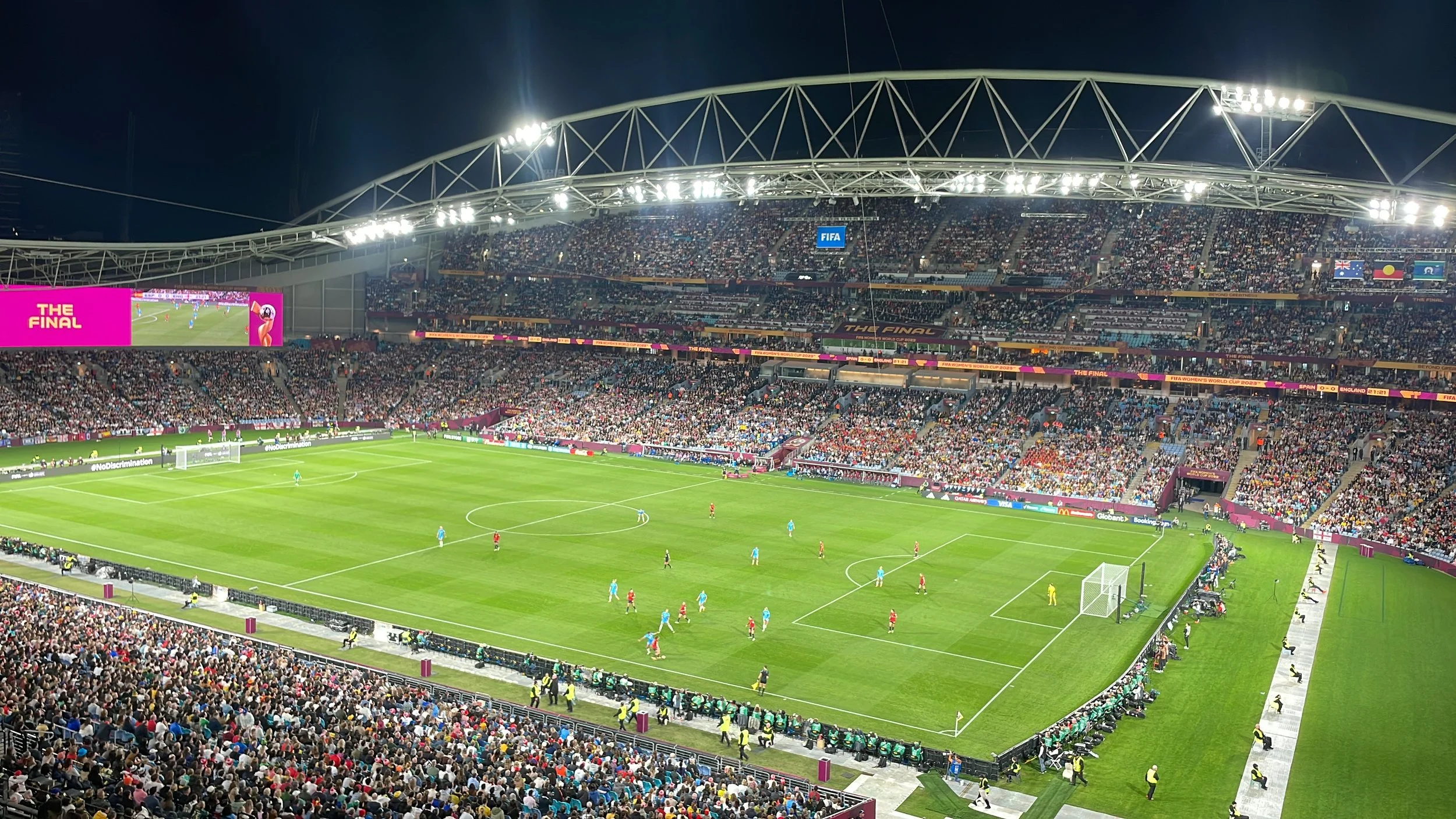
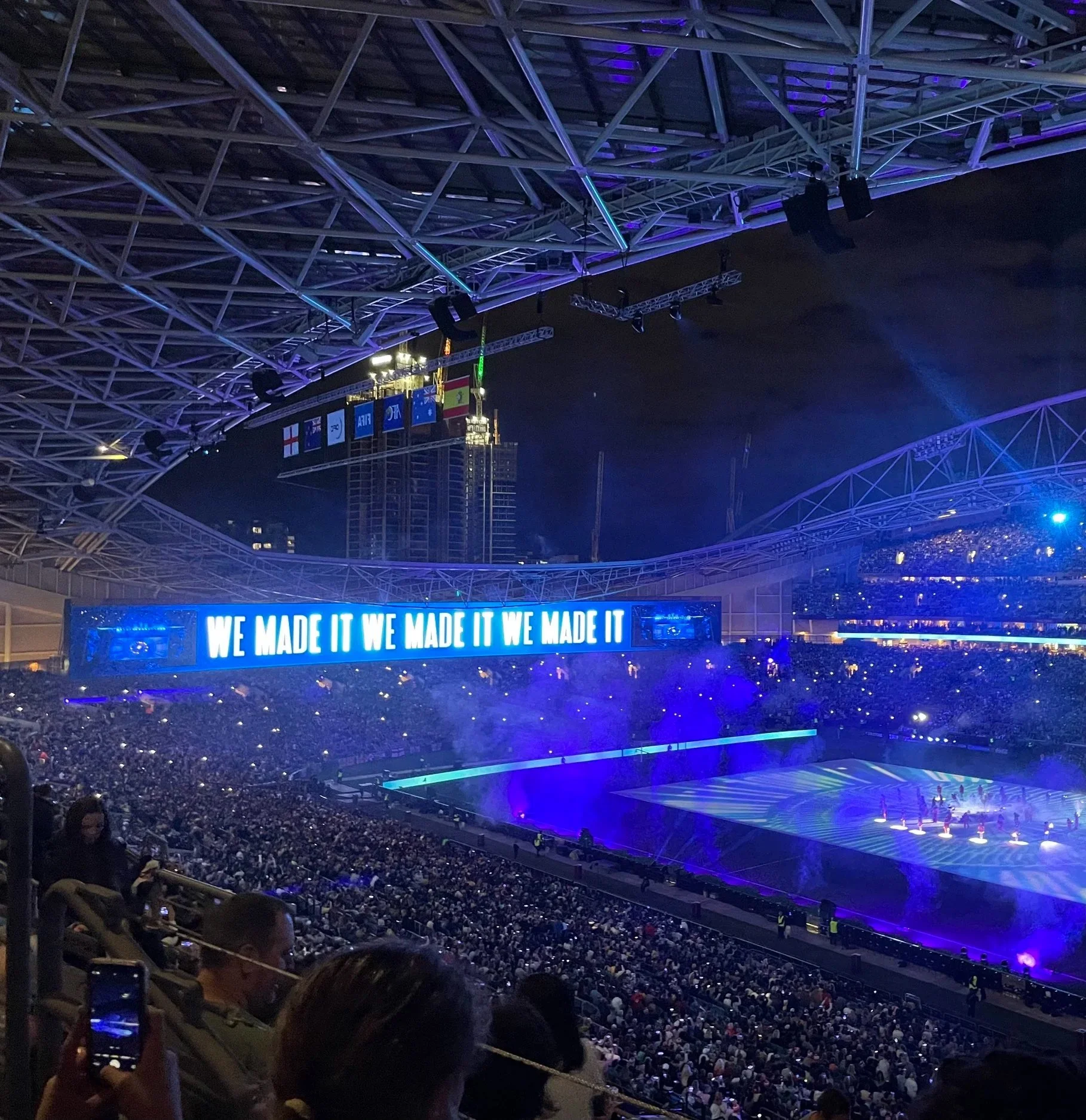
The 2023 Women's World Cup in Australia and New Zealand was the most commercially successful Women's World Cup to date, with around 2 billion global viewers, record stadium attendance and roughly 70% of Australia watching the tournament. It marked a cultural turning point for women's sport—and a major opportunity for brands to recalibrate how they value female fans and athletes.
Nike's strategic decision not to produce women's goalkeeper jerseys is a clear example of Legacy Lag: a gap between old internal assumptions about women's sport and the current economic and cultural reality.
The decision Nike made
As a sponsor of the tournament, Nike chose not to produce women’s goalkeeper jerseys for sale for several major teams, including England, France, the USA, the Netherlands and Australia. England goalkeeper Mary Earps emerged as a tournament star and cultural figurehead, while fans had no way to buy her shirt.
170,000‑signature petition demanding the jersey.
Global headlines and public criticism during the tournament.
Where Legacy Lag showed up
The decision rested on inherited assumptions that women's sport held limited commercial value and that demand for specialist women's merchandise, like goalkeeper jerseys, would be too small to justify production. These assumptions were baked into Nike's product planning cycles, merchandising logic and research frameworks—structures built when women's football had less visibility, investment and participation.
By 2023, the market had shifted dramatically: women's sports merchandise had become a multibillion-dollar opportunity, with fans consistently unable to buy the products they wanted, despite showing high intent to spend. Legacy Lag is the gap between those older assumptions and the contemporary reality of women as powerful consumers and cultural protagonists.
The cost of the misread
During the tournament (Aug 2023) – no women’s goalkeeper jerseys available; controversy erupts across Nike‑sponsored teams.
24 August 2023 – Nike announces a reversal and promises limited quantities of goalkeeper shirts.
9 October 2023 – Mary Earps’ goalkeeper jerseys are released and sell out almost immediately.
Nike is a multibillion‑dollar company that will survive this misstep, but the episode revealed a deeper strategic risk in how it values women as consumers. There were millions in missed sales during peak visibility, brand damage from being seen as late to women’s sport, and a clear opening for competitors willing to treat women’s football as a primary commercial growth engine rather than a side category.
WHAT A DIAGNOSTIC WOULD HAVE REVEALED
A Legacy Lag audit ahead of the tournament could have surfaced the misalignment between Nike’s planning assumptions and market reality, long before headlines and petitions.
Evidence of a 4B women’s sports merchandise market and repeated stock‑outs.
Viewership and engagement data showing rapid growth in women’s football fandom.
Social and cultural signals around fairness in women’s sport, making “no jersey” a reputational risk, not just a marginal call.
The cost of a diagnostic would have been marginal compared with the revenue, reputation and competitive advantage gained by getting the decision right the first time.
What this shows about Legacy Lag
This case shows how quickly inherited assumptions can turn into commercial risk once markets move. Nike’s decision‑making reflected an older logic in which women’s sport was marginal; the market and public discourse had already shifted, and the gap only became visible under pressure. Legacy Lag diagnostics are designed to surface these gaps upstream—before they show up as petitions, public backlash or reputational damage.
Where else this applies
While this example sits in women’s sport, the same pattern appears wherever social and economic realities have moved faster than institutional logic; across gender, class, race, generation and geography.
This isn’t just Nike’s problem. It’s a pattern of Legacy Lag: organisations relying on inherited assumptions about who holds value, long after the market has moved.
Download the full case study
LET’S ChAT
Feel free to contact us via email or fill out our contact form to discuss the details for your upcoming event. We’re excited to work with you and turn your ideas into an exceptional experience!